The RBA board made the decision today to lift the official cash rate by 25 basis points to 4.10%. The RBA’s February forecast update was predicated on two 0.25% increases in the cash rate this year, the first of which was delivered in February and the second today. Even with two increases, the forecasts anticipated a very slow return of inflation to target, only by mid-2028. Given the extended period of high and above-target inflation already experienced and the risk of the de-anchoring of inflationary expectations, the Board was likely to want to move interest rates relatively quickly to a level that will return inflation to target.
Since the February board meeting:
- The unemployment rate has remained at 4.1%, a level the bank continues to signal a labour market that is a little tight
- December quarter GDP printed more strongly than expected both on a quarterly and annual basis. This means there are even more capacity pressures than when the RBA staff forecast in February that two interest rate increases would be sufficient to return inflation to target.
- Trimmed mean inflation printed at 0.3% m/m and 3.4% y/y, rates that mark a material departure from the 2.5% midpoint of the RBA’s inflation target.
- Oil prices have risen very markedly, rising over $30 a barrel or around 43%. While the ultimate impacts on the economy and inflation depend importantly on both how high prices rise and for how long prices remain elevated, a supply driven oil shock such as this in an already above-target inflation world, creates additional risk that inflation expectations could de-anchor, even though there is an associated negative demand effect from higher oil prices.
- RBA Deputy Governor Hauser appeared in an unusually timed podcast, released the day before the pre-board communications blackout commenced. The podcast contained wide ranging discussion of monetary policy and inflation, also unusual so close to a Board meeting. This strongly suggests the Board paper prepared by the RBA staff will recommend a tightening to the Monetary Policy Board.
In addition:
- Moving again in March would allow the Board the chance to pause in May avoiding being drawn into fiscal policy debates with the media and allowing consideration for the impact on the economy of mooted spending cuts in the May Budget.
- Former RBA Governor Ian Macfarlane believed the best approach when interest rates were at the wrong level was to move them to the perceived new “correct” level relatively quickly. This has frequently led to back-to-back moves at the start of new easing or tightening cycles.
The one surprise today was the narrowness of the vote to increase the cash rate, with only a 5-4 majority vote. That makes a follow up move in May less likely, which we thought was likely in any case, so that the RBA Board could assess the measures taken by the Government in the May Budget.
Chief Economist
Interest Rates
Chief Economist
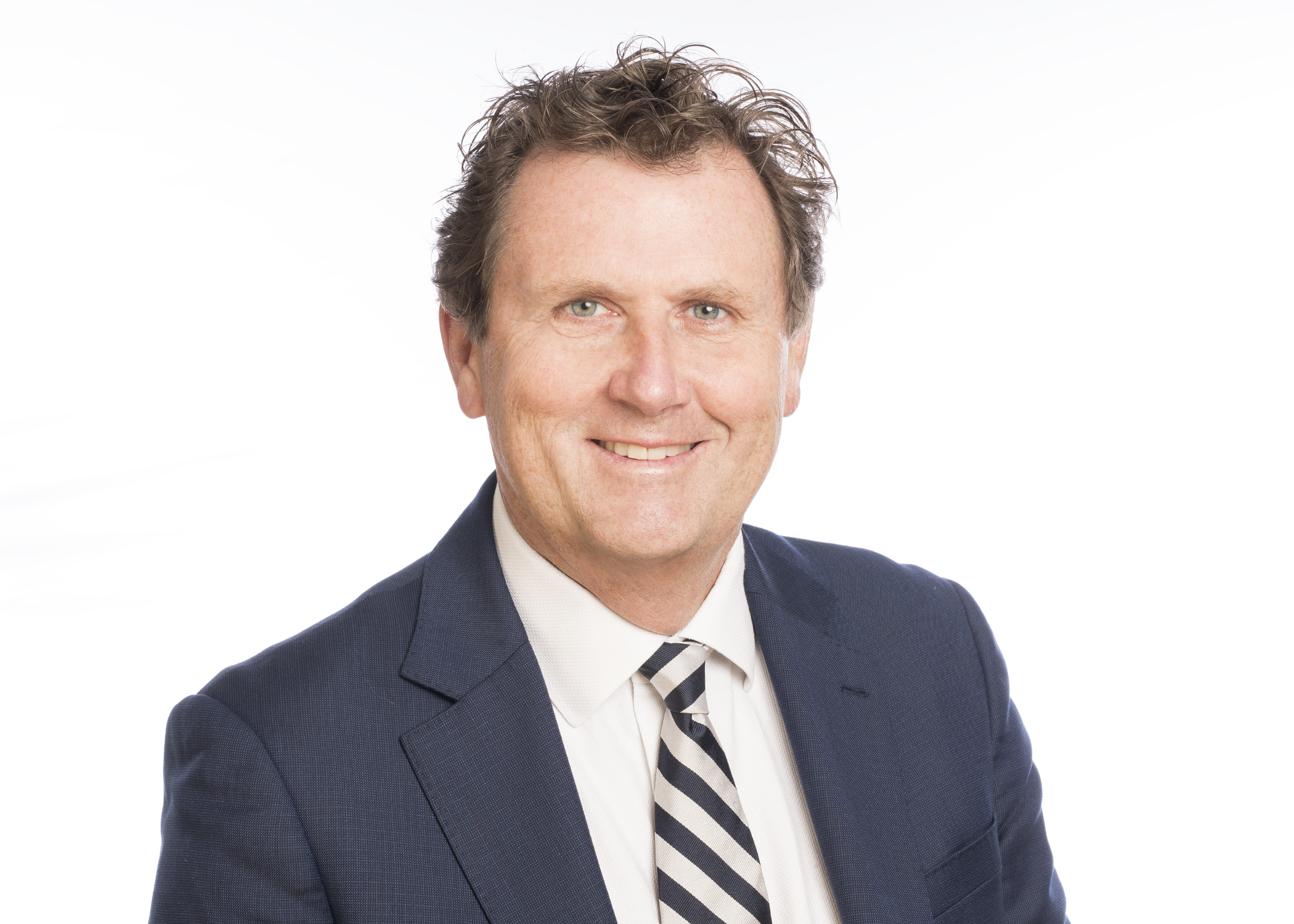
Ivan joined CreditorWatch as Chief Economist in October 2024. He is a highly experienced chief economist and keynote speaker on the economy and financial markets.
Most recently, Ivan was Chief Economist, Corporate & Institutional Banking for National Australia Bank, but has also been Chief Economist for Qantas and Chief Economist (Australia) for ANZ and Deutsche Bank.
Ivan has also consulted to SEEK, IATA and Virgin Australia. Ivan holds a Bachelor of Economics with Honours from the University of Tasmania and commenced his career at the Reserve Bank of Australia.
14-Day Free Trial
Get started with CreditorWatch today
Take your credit management to the next level with a 14-day free trial.